
From cherry blossoms in Japan and tulip fields in the Netherlands to green mountain trails in Madeira and quieter Mediterranean landscapes, these are the places where spring offers something more interesting than simply warmer weather.
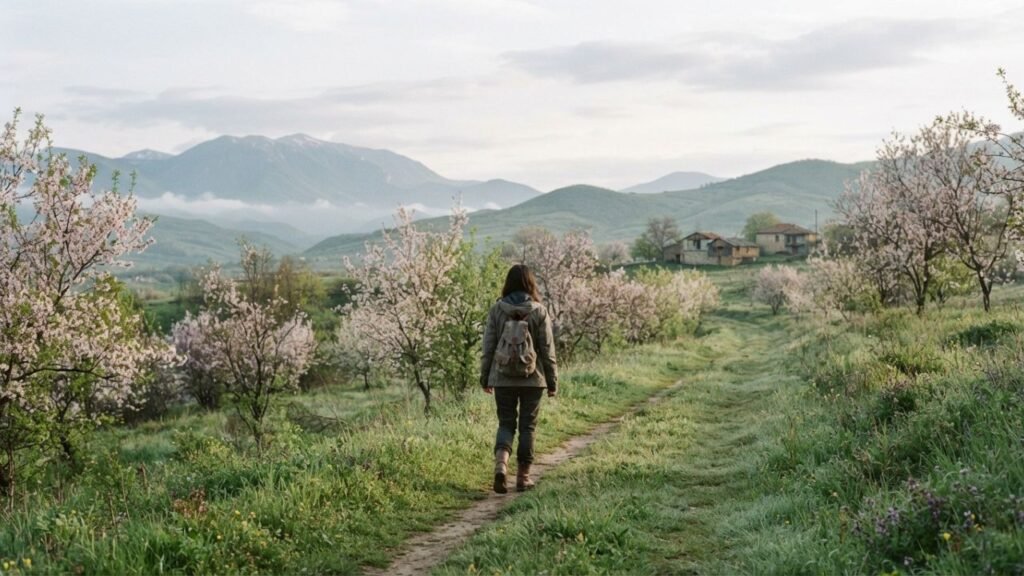
There is a problem with most lists of the best places to visit in spring: they treat spring as if it were a temperature.
Find somewhere warm. Add flowers. Avoid crowds. Call it a spring destination.
But the most rewarding spring trips work differently. They take advantage of a short period when a place is changing — when a landscape is greener than it will be in summer, when a festival belongs to a particular week, when mountain snow remains above a flowering valley, or when a famous city is still moving at something closer to its ordinary pace.
That makes spring unusually good for travelers who care about timing, not simply weather.
The right destination therefore depends on what kind of spring you want: blossoms and ritual, hiking and wildflowers, design and city life, or simply the luxury of arriving before everyone else.
Here are the places where that distinction matters.
Japan
Spring as a moving landscape
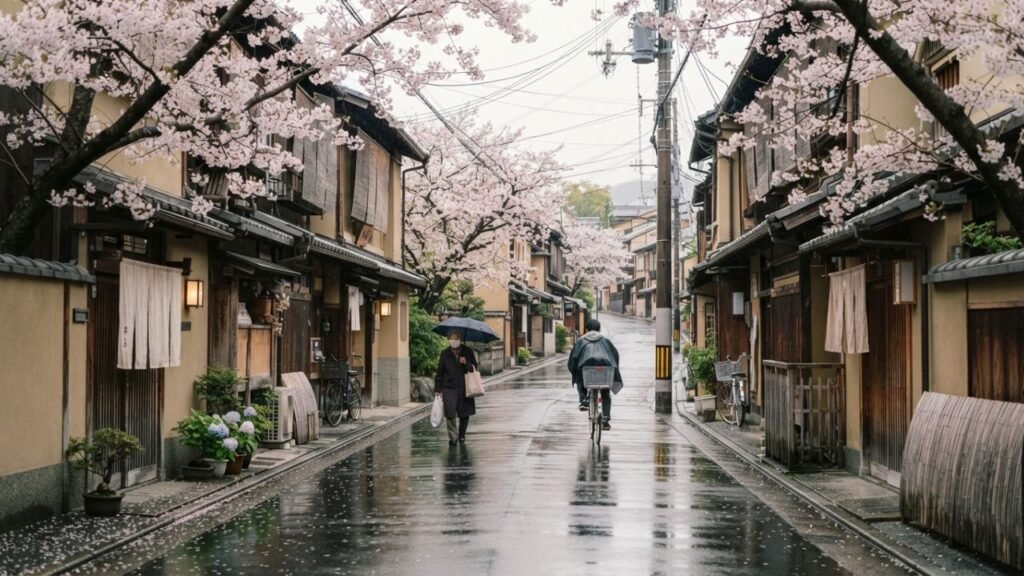
Japan is the obvious answer, but dismissing it as the cherry-blossom destination misses what makes spring there so interesting.
The blossom season does not arrive everywhere at once. It moves north through the country, generally beginning in warmer southern regions and progressing toward Hokkaido. In 2026, for example, Japan Meteorological Corporation’s final forecast placed full bloom around March 28 in Tokyo, March 30 in Kyoto, April 3 in Kanazawa and April 16 in Aomori.
That variability changes how you should plan the trip.
Instead of asking, “Where can I see cherry blossoms?”, ask, “Where will spring be when I arrive?”
The distinction is important because the famous flowers last only briefly. Japan’s tourism authority describes the blossom period as a moving celebration extending from roughly mid-March into early May, depending on location.
Spring also offers something beyond flowers: gardens waking up, mountain routes reopening and, in northern Japan, the possibility of combining late-season snow with emerging greenery.
Best for: photographers, first-time Japan travelers, culture-focused trips and anyone willing to plan around nature rather than against it.
Planning note: do not build an entire itinerary around one predicted bloom date. Forecasts shift with weather, and the further north you travel, the more opportunities you have to follow the season.
Netherlands
When the landscape becomes almost graphic
The Netherlands in spring can look almost designed.
Tulip fields create blocks of saturated color across an otherwise restrained landscape, but the more interesting experience is seeing the agricultural system behind the spectacle. The flowers are not simply decorative; they belong to a working bulb-growing region whose geometry becomes temporarily visible to visitors.
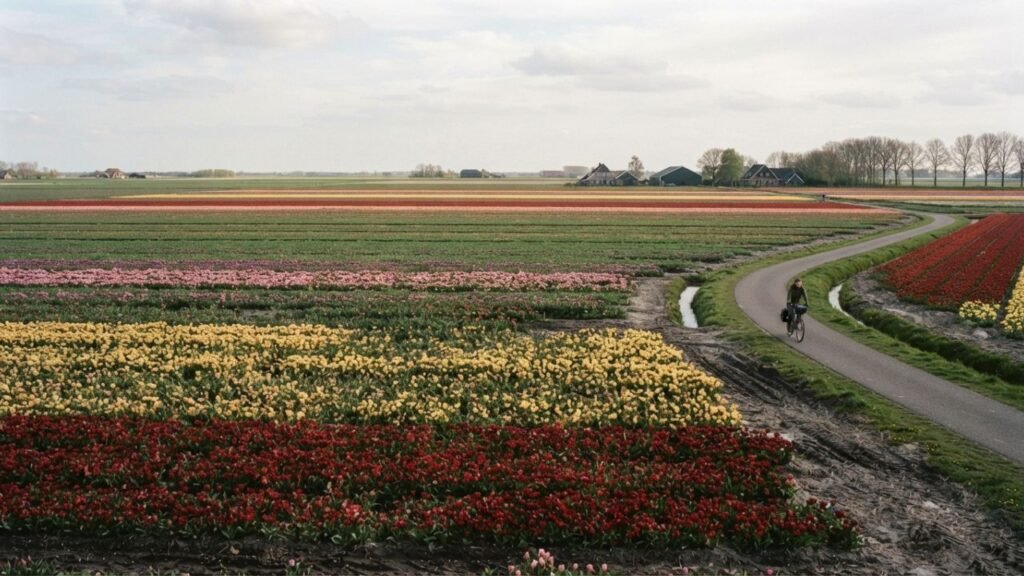
Tulips generally appear from mid-March through mid-May. For 2026, Keukenhof was scheduled from March 19 to May 10, while Flevoland’s tulip fields were recommended particularly from mid-April into early May.
That makes timing more important than choosing the “most famous” garden.
Keukenhof gives you the highly composed version: beds, pathways and carefully arranged varieties. Flevoland gives you scale — fields that make the flowers feel less like an exhibition and more like a landscape.
For photographers, this distinction matters. One is about detail and composition; the other is about horizon, repetition and color.
Best for: families, photographers, design-minded travelers and short European breaks.
Planning note: if you want the fields rather than a formal garden, look beyond Amsterdam. The countryside is where the scale of the tulip industry becomes apparent.
Madeira
Spring without waiting for summer
Madeira makes a strong case for the idea that “spring destination” does not have to mean “place with flowers.”
The Portuguese Atlantic island is subtropical, mountainous and intensely green. In spring, the combination of mild conditions, rainfall and longer days creates a landscape that is particularly alive: levadas carry water through the mountains, vegetation thickens and gardens become increasingly colorful.
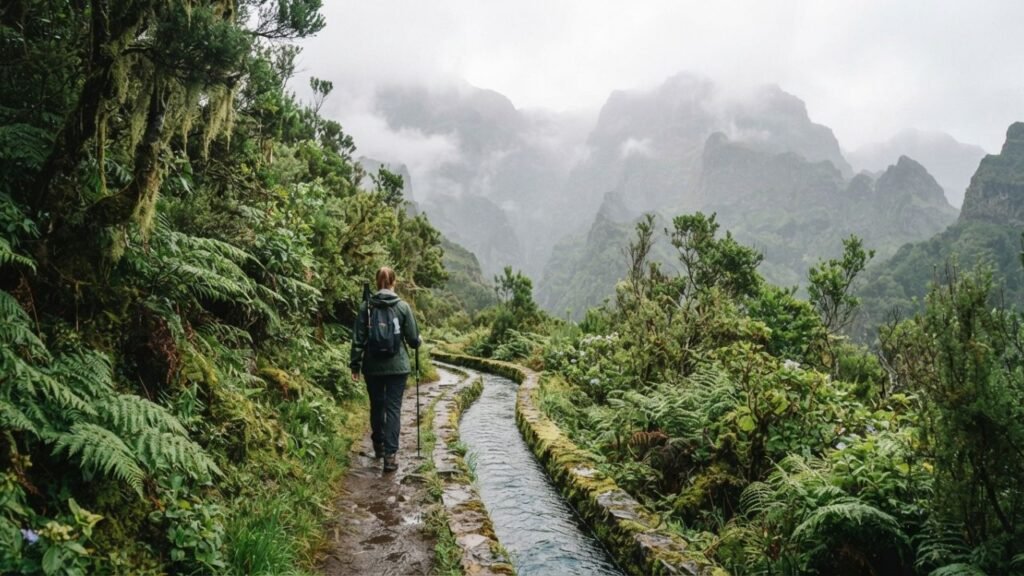
Then comes the Flower Festival in May, when Funchal fills with floral installations, music and parades.
But the better reason to visit is what happens away from the festival.
Madeira’s geography compresses several environments into a relatively small area: coastal towns, steep volcanic terrain, forest, waterfalls and high mountain landscapes. The official tourism board highlights the island’s levadas and Laurissilva forest alongside its beaches and natural pools.
In other words, spring here rewards movement.
Best for: hikers, families, nature lovers and photographers who want dramatic landscapes without committing to a long-distance expedition.
Planning note: May is attractive if the Flower Festival matters to you, but spring is larger than the event itself. Hiking and landscape should determine your itinerary first.
Greece
See the islands before they become an idea of themselves
Greece is usually sold through its summer image: white buildings, dry hills, crowded tavernas, intensely blue water.
Spring reveals a different country.
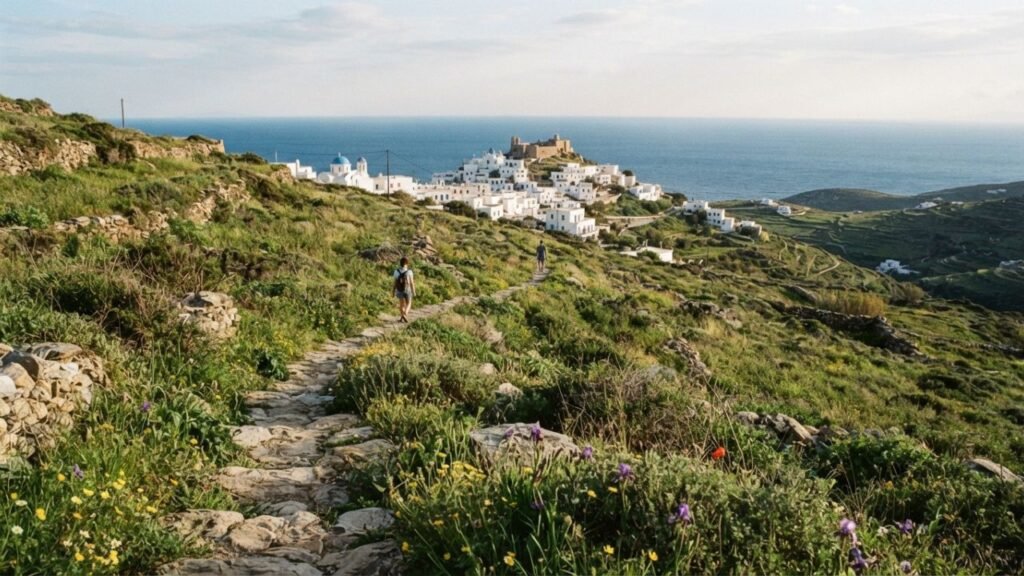
Winter rain leaves parts of the landscape green and brings wildflowers into the islands and countryside. The official Greek tourism authority notes that spring conditions are especially appealing for walking, nature and cultural travel, while the islands can be considerably quieter than during summer.
There is a useful contradiction here. The weather is often pleasant, but the sea may still be cool. Some seasonal businesses and transport connections also operate on a reduced schedule before summer fully begins.
That makes Greece in spring less suitable for the traveler whose only objective is swimming — and much better for the traveler who wants to actually move through the landscape.
Athens works particularly well as a spring city break, while Crete, the Peloponnese and parts of the Cyclades offer a stronger combination of countryside, archaeology and outdoor activity.
Best for: history, food, hiking, photography and travelers who want the Greek islands without the full summer machinery.
Planning note: May is generally a safer choice than early March if you want warmer, more predictable conditions.
Morocco
The desert is better when the desert isn’t punishing you
Spring is one of the rare periods when Morocco’s geography can be explored as a connected experience rather than divided by weather.
The country’s official tourism office identifies spring and autumn as the best seasons for visiting the Sahara, while the Atlas Mountains and coastal regions offer their own climatic variations.
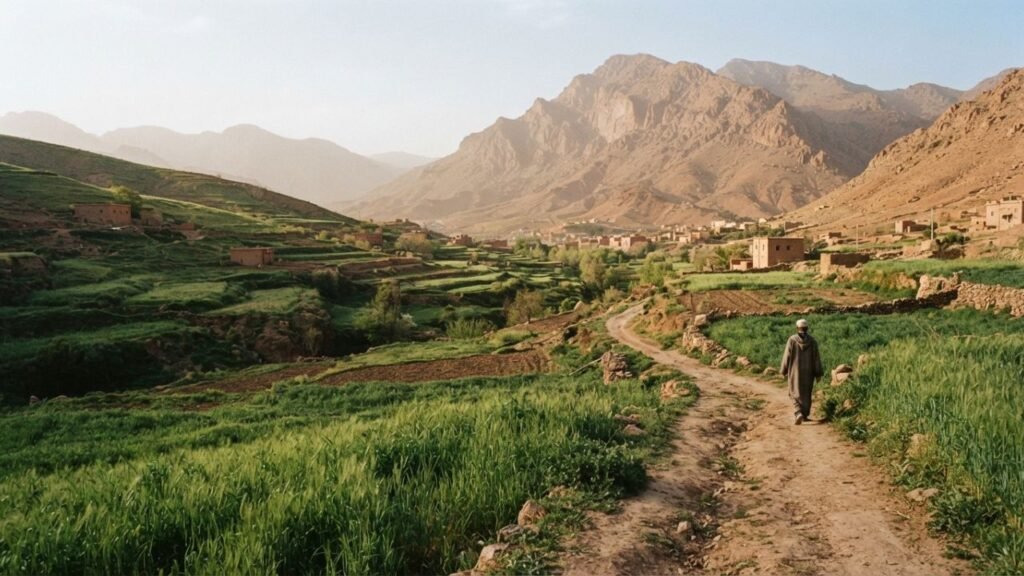
That matters because Morocco is not one climate.
You can move from Marrakech into mountain landscapes, then toward desert environments, with each region producing a different visual and physical experience. In spring, that contrast becomes part of the attraction rather than an obstacle.
It is also a particularly good season for travelers who prefer walking to simply sightseeing. The point is not to photograph a desert at sunset and leave; it is to experience the relationship between oasis, mountain, city and open landscape.
Best for: adventure travelers, photographers, architecture enthusiasts and travelers looking for a stronger change of environment.
Planning note: build your itinerary around regional temperatures rather than assuming the whole country will feel the same.
Washington, DC
A city that briefly becomes a garden
Washington, DC is another destination whose spring reputation rests heavily on one phenomenon: cherry blossoms.
But the interesting part is what the blossoms do to the city.
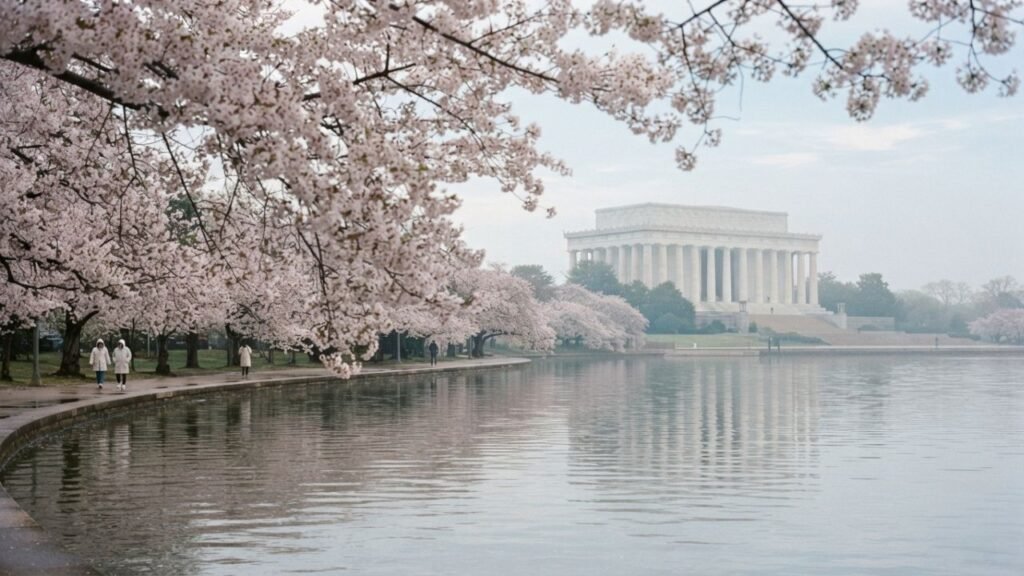
The trees around the Tidal Basin transform a monumental civic landscape into something softer and more temporal. The contrast is unusually photogenic: pale flowers against stone memorials, reflective water and broad avenues designed at an almost deliberately monumental scale.
The city’s tourism authority recommends late March through mid-April as the main window for cherry blossoms and festival activity, while also pointing visitors toward the National Arboretum, U.S. Botanic Garden and Rock Creek Park.
Go early on a weekday and the experience changes again. The city becomes walkable rather than merely photographable.
Best for: families, first-time visitors to the United States, photographers and museum-heavy weekends.
Planning note: do not make the Tidal Basin your entire trip. The National Mall’s museums and the city’s parks give you a much better sense of DC once the initial blossom spectacle is over.
Seoul
Spring as a cultural season, not just a flower season
Seoul is particularly compelling for travelers who want spring to feel urban.
The city combines flowering streets and riverside parks with fashion, food, design, contemporary culture and a dense public life. In 2026, the official cherry-blossom forecast placed Seoul’s flowering around April 3, with full bloom expected around April 10, although actual dates depend on weather.
The city’s spring calendar also demonstrates why the season is bigger than blossoms. Seoul’s 2026 Spring Festival ran from April 10 to May 5 along the Hangang River, combining performances, outdoor activities and cultural programming.
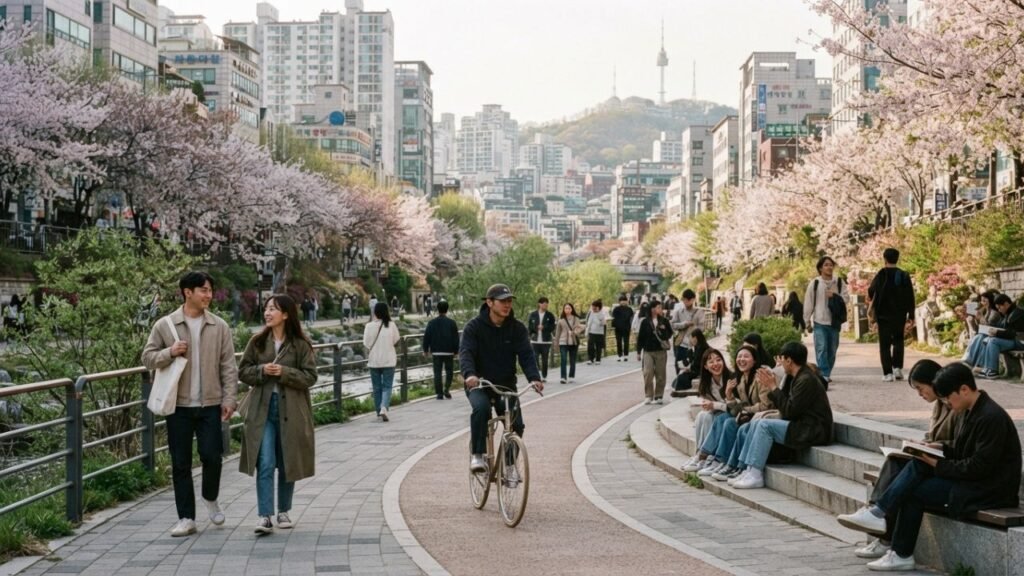
For a design-conscious traveler, that combination is the attraction: spring becomes something people do, not simply something that happens to trees.
Best for: younger travelers, fashion and design enthusiasts, food-focused trips and anyone who prefers cities to resort landscapes.
Planning note: pair blossom viewing with neighborhoods, markets, galleries and riverside walks rather than treating flowers as the entire itinerary.
Portugal
The quiet advantage of a short spring trip
Portugal is perhaps the most useful choice for travelers who do not want to build an entire holiday around one seasonal event.
Lisbon and Porto are compact enough for a long weekend, while the country’s parks, coast and historic towns make it easy to extend the trip. Portugal’s tourism authority specifically highlights spring as a strong season for outdoor activities, cultural visits, food and family travel.
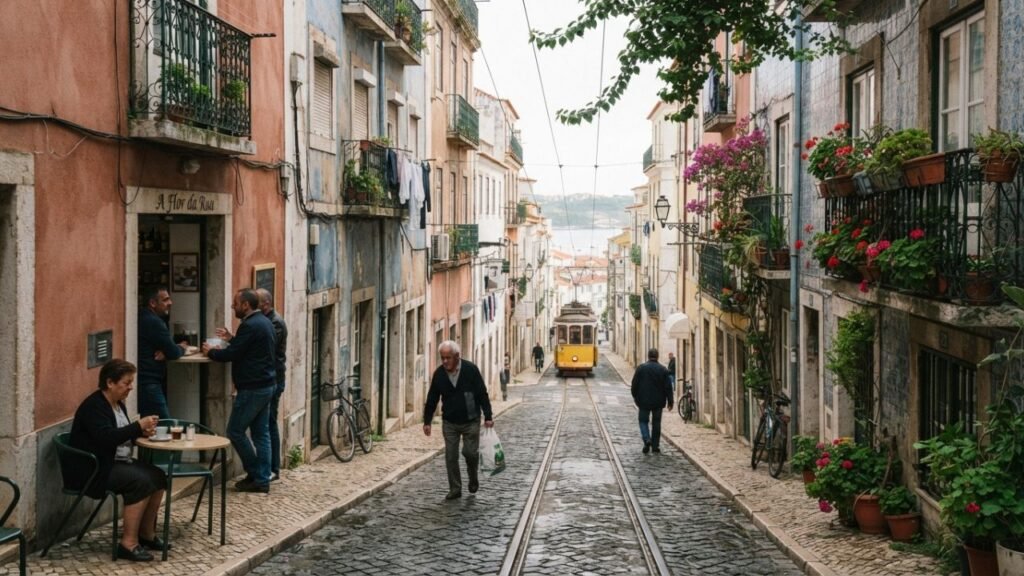
Lisbon’s spring weather is typically mild, and Porto has its own botanical surprise: camellias, introduced to Portugal in the 19th century, now flower across gardens in and around the city. Porto’s tourism office notes that more than 300 camellia species can be found in its public and private gardens.
That is exactly the kind of detail that makes a spring destination worthwhile. You arrive expecting architecture, tiled façades and wine; you leave noticing gardens.
Best for: short breaks, food lovers, families and travelers who want flexibility rather than a rigid seasonal itinerary.
So, where should you actually go?
The better question is not which destination is the best. It is what you want spring to change.
For flowers and photography, choose Japan or the Netherlands.
For hiking and dramatic scenery, Madeira or Greece make more sense.
For adventure and cultural contrast, Morocco is difficult to beat.
For families and a manageable city break, Washington, DC or Portugal are easier propositions.
For fashion, food and contemporary culture, Seoul offers the most distinctly urban version of spring.
And for anyone chasing bargains, the shoulder-season advantage is real but should not be confused with universally cheap travel. Spring can be exceptionally popular around festivals and peak bloom periods. The useful strategy is to travel slightly outside the moment everyone else is targeting — a few days before or after peak bloom, for example — rather than simply assuming that “spring” means low prices.
That is perhaps the real lesson of spring travel.
The season rewards precision.
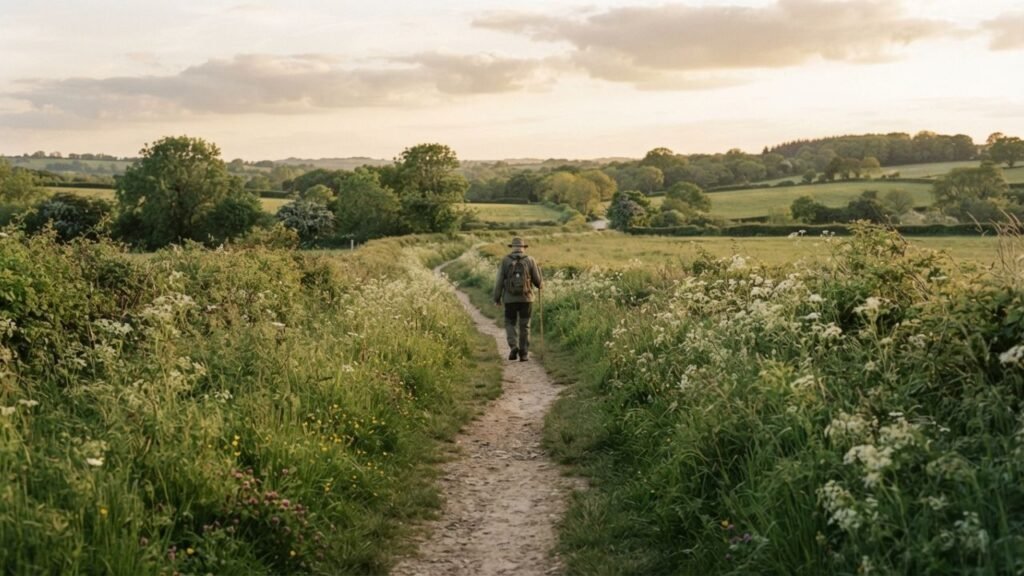
You are not looking for a place that is beautiful in spring because someone has declared it so. You are looking for the short period when the character of a place is unusually visible: when fields become geometric, islands turn green, cities soften, mountain routes reopen, or a familiar landscape briefly looks unfamiliar.
That is when a destination stops feeling like a backdrop and starts behaving like a place.
What to take away
- Plan around the phenomenon, not the month. Blooming, festivals and mountain conditions vary considerably.
- Consider late spring if reliability matters. May is often a useful compromise between winter uncertainty and summer crowds.
- Do not confuse shoulder season with empty season. Famous blossom and flower destinations can be extremely busy at their peak.
- Look beyond the headline attraction. The best spring trips usually become more interesting once you leave the obvious viewpoint.
- Choose the landscape you want to experience. A garden, an island, a city, a desert and a mountain valley offer very different versions of spring.